Takopi’s Original Sin follows an innocent alien whose attempt to help two deeply troubled children unravels layers of trauma, blurred morality, and fragile emotional worlds. As their intertwined struggles lead to tragedy and a powerful twist, each character is forced to confront their past to understand what happiness truly means. Technically polished and emotionally heavy, the series explores darkness not for shock, but to reveal the courage required to heal.
Read the full review here: (Indonesian version : alunauwie.com) and (English version : uwiepuspita.com)…
Read full review →
Crying Out Love in the Center of the World follows Saku as long-buried memories of his first love resurface, revealing a tender yet painful journey through grief and unfinished emotions. Through melancholic visuals, honest dialogue, and the symbolic use of a voice cassette, the film bridges past and present to show how love can linger even after loss. Ultimately, it portrays acceptance not as forgetting, but as releasing with grace so life can move forward.
Read the full review here: (Indonesian version : alunauwie.com) and (English version : uwiepuspita.com)…
Read full review →
Anime Supremacy! reveals the chaotic beauty of anime production through Saito’s bold leap from stability to passion, tracing how idealism clashes with industry pressure and personal expectations. The film balances creative struggles, competition for Haken, and character growth while reminding viewers that true artistry lies not in ratings, but in the sincerity of the story being told. Though some emotional threads feel underexplored, it remains a thoughtful look at ambition, craft, and the cost of chasing a dream.
Read the full review here: (Indonesian version : alunauwie.com) and (Eng…
Read full review →
Sensei, Would You Sit Beside Me? explores marital betrayal through a quiet yet piercing narrative where Sawako confronts her husband’s infidelity using the manga she creates as a psychological mirror. The film delivers tension through subtle acting, layered symbolism, and an ambiguity that blurs imagination with reality, allowing emotions like guilt, jealousy, and regret to unfold slowly but powerfully. Ultimately, it becomes a story of a woman reclaiming her dignity with calm precision—showing that silence can cut deeper than anger.
Read the full review here: (Indonesian version : alun…
Read full review →
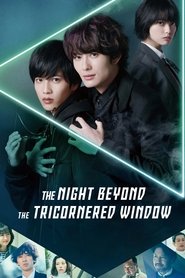
The Night Beyond the Tricornered Window presents a solid premise about two men who can see and handle wandering spirits, focusing more on psychological tension than romance, which caused mismatched expectations for some viewers. While the horror elements and external conflicts feel underdeveloped, the film shines through its exploration of trauma, identity, and the evolving bond between its leads, supported by strong performances and effective visual choices. Despite rushed pacing and uneven character consistency, it delivers a thoughtful reminder that unusual gifts can become strengths when e…
Read full review →
Suicide Forest Village begins with a gripping mystery rooted in Aokigahara’s dark reputation, but its strong premise weakens as thin character development and inconsistent emotional reactions dilute the tension. Although the film builds intrigue through a cursed box and ends with a satisfying reveal tied to its opening, it never fully explores the psychological depth that its theme demands. Technically polished yet emotionally shallow, it stands as a cautionary tale about how curiosity can lead us into dangers we were never meant to uncover.
Read the full review here: (Indonesian versio…
Read full review →
Drawing Closer reflects on how limited time reshapes the way two people learn to live, love, and confront their deepest fears, using soft visuals and intimate dialogue to build a bond grounded in shared fragility. Instead of dramatic clashes, the film lingers on internal struggles that unfold quietly yet painfully, softened by heartfelt performances and tender cinematography. Though the ending feels slightly rushed, the story remains a gentle reminder to pause, look inward, and consider how we choose to live before death arrives—whether soon or far ahead.
Read the full review here: (Ind…
Read full review →
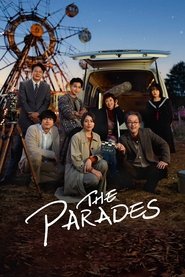
The Parades portrays wandering spirits who gather not to haunt, but to help each other release lingering regrets, weaving Minako’s quiet panic and the gentle stories of other souls into a tender exploration of unfinished goodbyes. Instead of sharp conflicts, the film guides viewers through the inner turbulence of characters confronting old wounds, gradually revealing emotional ties that deepen its impact. With sincere performances, soft visuals, and a hauntingly warm after-credit sequence, the film becomes a bittersweet reminder to live fully so we leave nothing unresolved behind.
Read …
Read full review →
Marry My Dead Body blends supernatural marriage, LGBTQ themes, and police drama into a surprisingly seamless story about a stubborn cop and a warm-hearted ghost whose bond grows through shared pain and unexpected humor. As Ming Han helps Mao Mao resolve his unfinished business, he’s forced to confront his own prejudice, vulnerability, and the loneliness that shadows them both. The film ultimately delivers heartfelt growth, vibrant comedy, and a reminder that misfortune can become a doorway to deeper empathy and acceptance.
Read the full review here: (Indonesian version : alunauwie.com) …
Read full review →
Ballerina follows Ok Ju’s fierce journey of revenge after the tragic loss of her closest friend, Min Hee, whose hidden suffering ignites a deep emotional and action-driven pursuit. While the film delivers intense choreography, sharp visuals, and strong performances, it leaves certain character backgrounds and motivations underexplored. Overall, it blends stylish action with a poignant reflection on grief, loyalty, and the invisible wounds people carry.
Read the full review here: (Indonesian version : alunauwie.com) and (English version : uwiepuspita.com)…
Read full review →