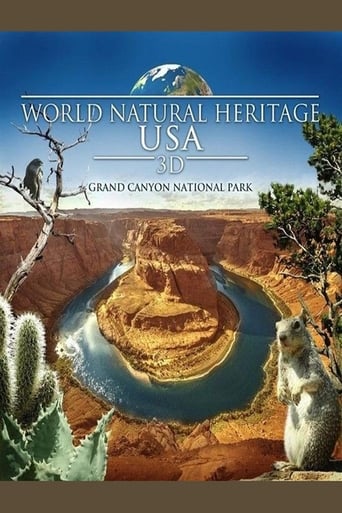
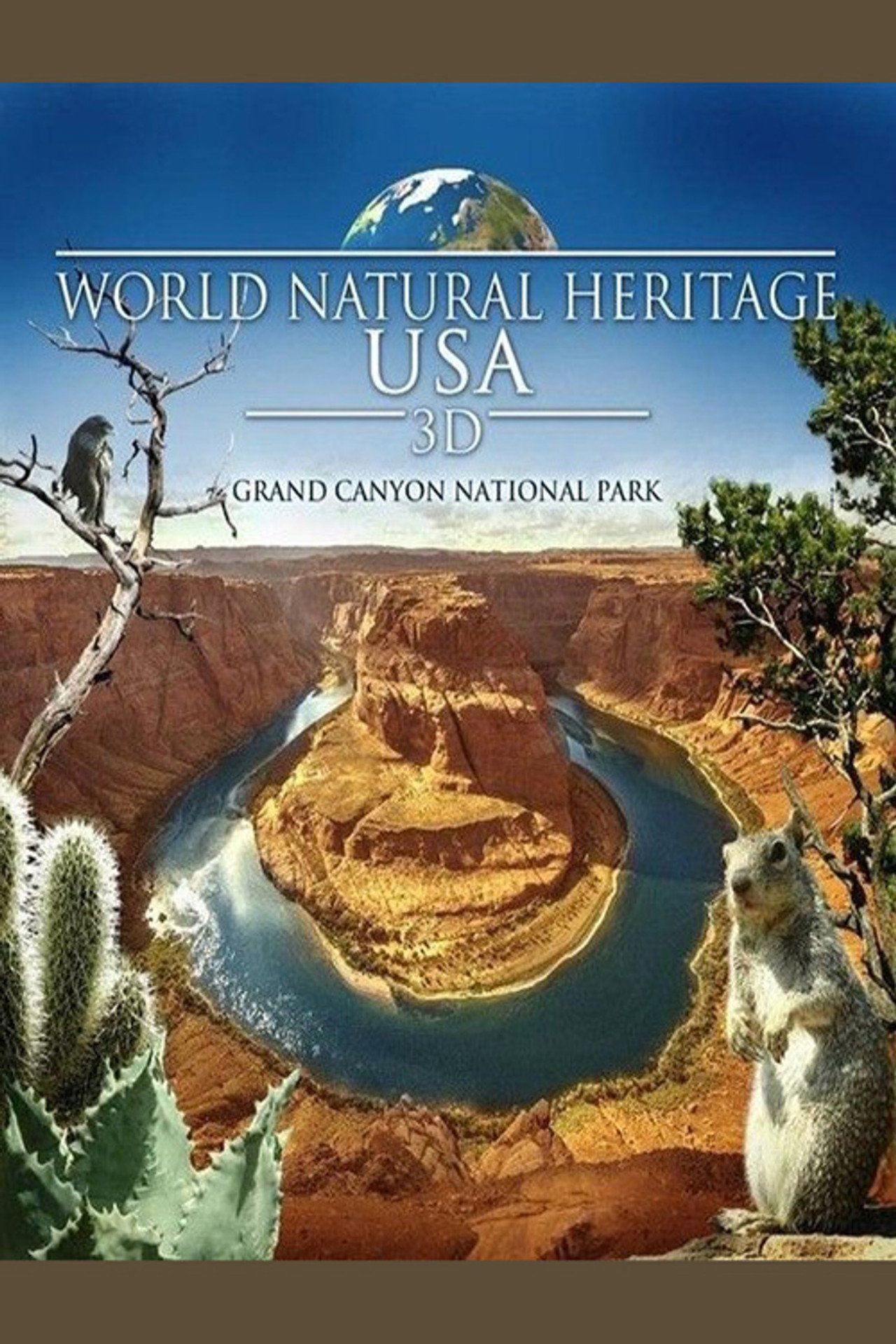
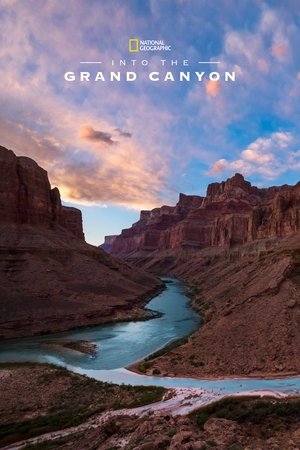
The Grand Canyon is a remarkable landscape, slowly sculpted by a single river over millions of years. It stretches over 4000 meters from its highest point to the Colorado River, encompassing five distinct climate zones. This diverse environment supports an exceptional variety of plant and animal life, where desert and mountain species coexist. The canyon's rock formations offer a clear record of geological history, revealing two billion years of Earth's past. Because of its unique natural and ecological significance, the Grand Canyon is recognized as a World Natural Heritage Site, representing a vital balance between economic activity and environmental preservation.





































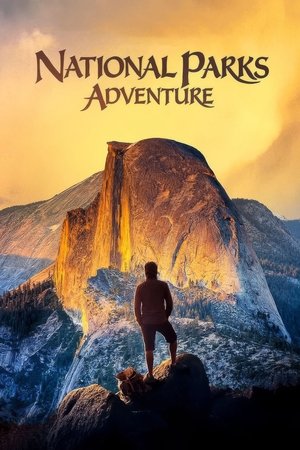

 Lists with Movie “World Natural Heritage USA: Grand Canyon National Park”




 158
158