As we approach the finish lines of our lives, we often take time to reflect back on how we’ve spent the years of our existence. It’s a process that allows us to take stock of who we are and how we’ve lived, and it frequently provides a means to help us make decisions about any remaining unfinished business we may have. However, such soul-searching may also leave us with more questions than answers at a time when we need such clarity most, the alternative being pervasive indecisiveness that can be crippling. Such are the quandaries faced by aging Italian Presidente Mariano De Santis (Tony Servillo), a popular leader who’s nearing the end of his term. However, despite the ample respect and admiration he has earned as an accomplished jurist and head of state, he’s facing his last days in office with a palpable sense of dread and ennui both politically and personally. As a widower who has be…
read the rest →
← Back to main
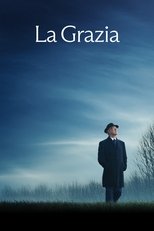
La Grazia
User Reviews
With only a few months left of his term in the Quirinale, the widowed President of Italy is contemplating his future whilst having to consider a few difficult decisions that may end up defining not just his presidency but his legacy, too. “De Santis” (Toni Servillo) is tasked with signing into law a contentious bill on euthanasia but will his own conscious allow him! Will his close friendship with the Pope (Rufin Doh Zeyenouin)? He must also consider two pardons before him. Both are legitimate convictions for murder but both could have mitigating circumstances - if he felt convinced enough - but what emerges quite swiftly about this man is that he is a natural born prevaricator. An experienced jurist by profession, he duly delegates much of the work with his latter pair of tasks to his lawyer daughter “Dorotea” (Anna Ferzetti) whilst he contemplates the aspirations of his life-long frien…
read the rest →
Rilke once said about poetry and maturity that poetry is born not merely from early feelings but from deep, seasoned memories that have been absorbed into one's being, transforming into the essence of the poet's expression. Paolo Sorrentino's La Grazia is the kind of maturity Rilke was talking about, a film that could only be made by someone who has lived long enough to understand that our hardest decisions are never about the issue at hand; they're about everything we've carried, everything we refuse to release, everything that has calcified into who we are.
Toni Servillo is nothing short of brilliant in his expression of a man near his final days as President, carrying the entire weight of the country's dilemma on his own shoulders. Six months short of retirement, he is asked to consider a bill that is revolutionary for a country that sits at the center of Roman Catholicism: the leg…
read the rest →