anti-narrative — 1 Movies
When Stories Refuse to Be Told: Diving into Anti-Narrative Cinema Okay, so you’re looking for something different? Something beyond the usual three-act structure, the predictable hero's journey? Then…
Show moreAll movies
When Stories Refuse to Be Told: Diving into Anti-Narrative Cinema
Okay, so you’re looking for something different? Something beyond the usual three-act structure, the predictable hero's journey? Then let’s talk about anti-narrative cinema. It’s a fascinating beast – films that actively resist traditional storytelling, often leaving audiences feeling… well, maybe a little disoriented at first! But stick with it; there's real beauty and profound insight to be found in the spaces between the plot points.
What exactly is anti-narrative? Simply put, it’s cinema that deliberately deconstructs or rejects conventional narrative elements like linear chronology, clear character motivations, and a satisfying resolution. It’s not about being “difficult” for difficulty's sake; it’s often an attempt to explore deeper themes – the nature of memory, the absurdity of existence, the limitations of language itself. Think of it as less a story being told, and more a feeling or experience being conveyed.
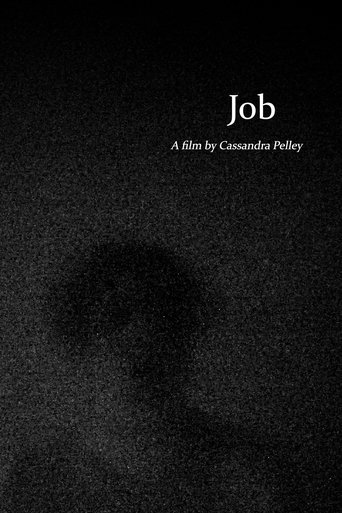
Take, for example, Piotr Trzaskalski’s Job. It's not your typical faith-testing tale. While it draws from the biblical Book of Job, the film isn't about neatly resolving his suffering with divine intervention. Instead, it lingers in the quiet despair, the unanswered questions, and the sheer weight of existence. The narrative is fragmented, almost dreamlike, mirroring Job’s own fractured mental state. It’s less concerned with what happened to him than how he feels about it – a powerful exploration of faith through ambiguity.
You see this approach in other forms too. Early experimental films often flirted with anti-narrative techniques; think of the Dadaists playing with film as pure visual poetry. More recently, filmmakers like Béla Tarr (whose films are famously slow and meditative) have pushed these boundaries even further. Even within more mainstream genres, you can find echoes of this approach – David Lynch’s work, for instance, often prioritizes atmosphere and unsettling imagery over a straightforward plot. It's the cinematic equivalent of listening to a really evocative piece of music; it doesn't tell you what to feel, but it creates an environment where feeling is inevitable.
Anti-narrative films aren't for everyone, I’ll admit that. They demand patience and a willingness to surrender control. But if you’re looking to challenge your expectations and experience cinema in a new way, they offer a truly rewarding journey – one that might just leave you questioning the very nature of storytelling itself.
What are your thoughts? Have you encountered any anti-narrative films that really stuck with you?